

If you live in California, odds are you have already crossed paths with a house mouse, the most common rodent in the state. But mice are just the opening act. Rats and squirrels turn up in homes and businesses from the coast to the Central Valley, and each one brings its own headaches. Dewey has spent decades dealing with all of them, and we would rather you spot the signs early than learn the hard way. In this blog, we break down the common rodents in California you are most likely to meet, how to tell them apart, and what it takes to get to a rodent-free home.
What is the most common rodent in California?
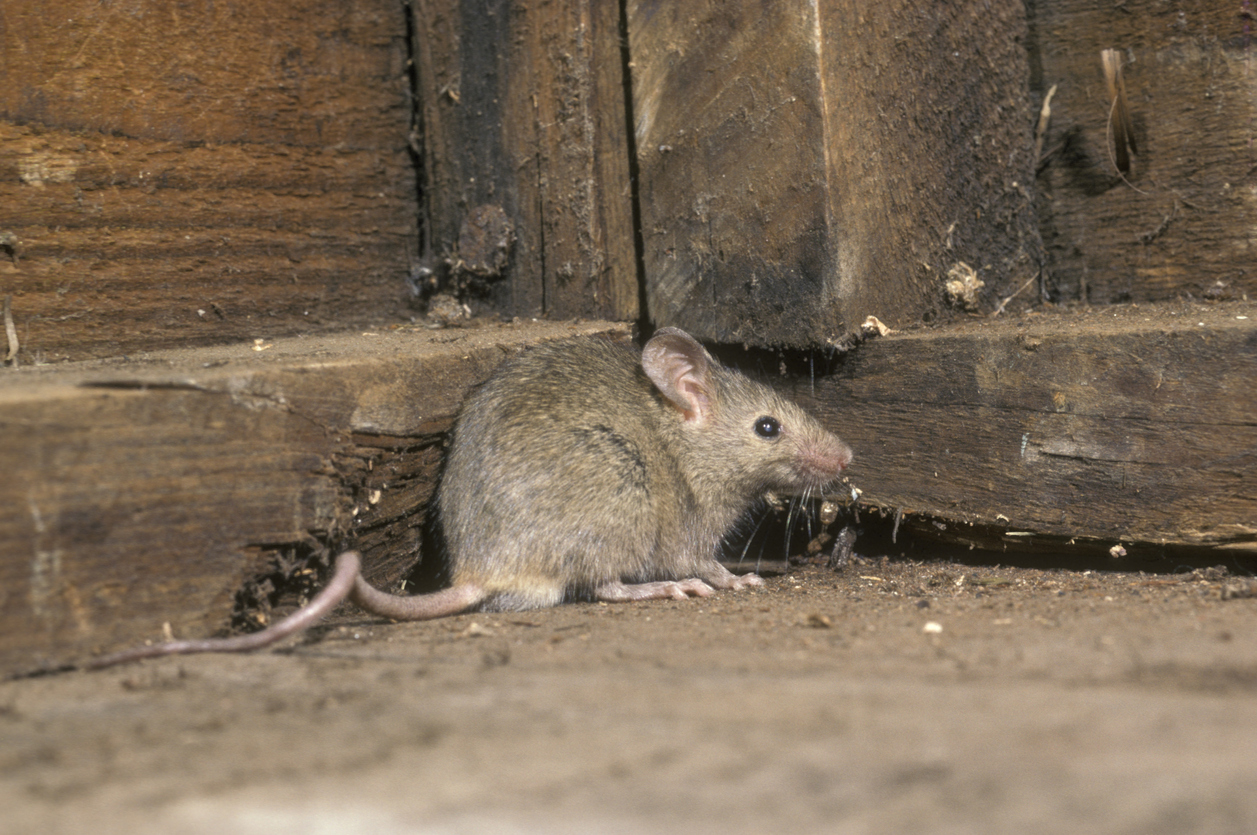
The house mouse (Mus musculus) takes that title hands down. It is small, endlessly adaptable, and a fast breeder, and it can squeeze through a gap about the width of a dime. That combination is why a couple of mice can become a full infestation before you have even confirmed you have one.
The Most Common Rodents in California
Listing every rodent in the state would take all day, so here are the usual suspects you are most likely to find in or around a California home.
| Rodent | Size | How to identify it |
| House mouse | Up to about 8 inches | Light brown, pointed snout, large ears, nearly hairless tail |
| Norway rat | Up to about 16 inches | Brown-gray, stocky body, blunt nose, small bald ears; nests low in basements and crawlspaces |
| Roof rat | About 6 inches or more | Darker fur, slender body, strong climber; nests high in attics, rafters, and trees |
| Deer mouse | About 5 to 8 inches | Brown back with white belly and feet; lives outdoors and in rural areas, and is the main hantavirus carrier in California |
| Squirrels | Varies | Gray or light brown in California, short perky ears, bushy tail |
House Mouse
This little mouse is usually light brown, with a pointed snout and a nearly hairless tail, and it rarely tops about eight inches. It is also the rodent you are most likely to find indoors. Keep an eye out for the common signs of a mouse infestation, like droppings, gnaw marks, and that telltale scratching in the walls after dark.
Norway Rat
Better known as the brown rat, the Norway rat can grow nearly twice the length of a house mouse. Look for a blunt nose, brown-gray coat, and small, bald ears. These are ground dwellers, so they tend to set up shop low, in basements, crawlspaces, and outdoor burrows.
Roof Rat
Also called black rats, roof rats run around six inches with darker fur and a leaner build. True to the name, they are excellent climbers and prefer the high ground, nesting in attics, rafters, and trees, so the first clues often come from overhead.
Deer Mouse
You will find deer mice in rural, foothill, and outdoor areas, recognizable by a brown back over a white belly and feet. This is the one to take seriously, because the deer mouse is the main carrier of hantavirus in California. For the full rundown on rodent-borne illness, read our guide to the diseases rats and rodents carry.
Squirrels
Squirrels come in plenty of colors, but in California they usually show up in gray or light brown, with short, perky ears and those unmistakable bushy tails. They look harmless enough until they get into an attic and start treating your wiring like a chew toy.
Are rodents in California dangerous?

Unfortunately, yes. Past the mess and the midnight noises, rodents bring two real problems: disease and property damage. They spread illness wherever they roam, from hantavirus and other rodent-borne diseases to leptospirosis and salmonella, and they do not even need to bite you to do it. Eating off a counter a rodent has crossed can be enough to make you sick. They also gnaw nonstop, and chewed electrical wiring is a documented fire hazard, while their nests and droppings foul insulation and stored food.
How to Get Rid of Rodents and Keep Them Out
There is no magic method that works on every rodent, so the approach has to match the species and the situation. You can do plenty to keep them out, but once they find a way in, they settle in fast, which is why we usually steer people toward a professional. If you are wondering what lured them in to begin with, read why you have rodents in your home.
Rodent Prevention Methods
Start with the basics, because they work. Store food in sealed containers, wipe up spills the moment they happen, and take the trash out on a regular schedule. Then seal the cracks around windows and the foundation, and block any obvious entry points before rodents find them first. These preventive habits are what keep a minor nuisance from turning into a major one.
Professional Rodent Control
When the problem outgrows the basics, a professional rodent control team can clear it out fast. Trained technicians read the patterns in rodent behavior, trace the infestation back to its source, and apply the right mix of exclusion, trapping, and baiting, using methods that stay harmless to humans and pets. Dewey provides rodent control across California, including Los Angeles, San Francisco, San Jose, and Anaheim. Curious how the pros work? See how professional pest control companies treat for mice, or explore our residential and commercial services.
Turn to Dewey for Rodent Control in California
For nearly 100 years, serving California since 1929, Dewey has been fine-tuning how we deal with rodents. We are proud to help homes and businesses that have simply had enough of sharing their space. You deserve a healthy home and the confidence that comes with it. When you are ready, we provide free quotes and straightforward service so we can pin down exactly what you need. Start by finding the nearest location to you.
Frequently Asked Questions
How do I know if I have rats or mice?
Size and the clues they leave behind. Mice stay small, under about eight inches, with thin, hairless tails and tiny droppings. Rats are bigger and stockier, leaving larger droppings and greasy rub marks along the walls they travel. Roof rats tend to leave evidence up high in the attic, while Norway rats keep things low. When in doubt, a professional inspection settles it.
Are California rodents dangerous to pets?
They can be. Rodents carry diseases and parasites like fleas, and a curious pet that catches or eats one, or noses around droppings, can end up sick. Keeping rodents out protects the whole household, the four-legged members included.
When should I call a professional for rodents?
If you are seeing droppings, hearing scratching in the walls or attic, or running into the same rodents despite a row of traps, it is time to make the call. Repeat sightings almost always mean there is an entry point and a nest that do-it-yourself fixes are not reaching.