

Termites have been chewing on California homes for as long as anyone has been building them here. Two native species do most of the damage: the Western subterranean termite, which nests in soil and works its way up, and the Western drywood termite, which lives inside the wood itself.
The state’s mild winters, irrigated landscapes, and aging housing stock keep both species busy almost year-round. If you own property in California, termite pressure is something you’ll have to deal with at some point. Here’s a look at where things stand in 2026, including how the species differ, when they swarm, and what California requires when a home changes hands.
At Dewey Pest and Termite Control, we have been treating California termites for nearly 100 years. Below is a mix of what the published data says and what we see on the ground every week.
A Brief History of Termites in California
Termite damage isn’t new in the state. It’s just better documented now. The Western subterranean termite (Reticulitermes hesperus) and the Western drywood termite (Incisitermes minor) have lived here for thousands of years. What changed was the housing market. The postwar building boom planted millions of wood-framed homes on tight lots, surrounded by lawns and sprinkler systems. Termites loved it.
By the late 1970s, California became the first state to formally regulate wood-destroying organism inspections through the California Structural Pest Control Board, which still oversees the industry today. More recently, the invasive Formosan subterranean termite has turned up in pockets of Southern California. The USDA estimates Formosan termites alone account for more than $1 billion in damage and control costs each year across the United States.
The Numbers: Just How Costly Are Termites?

The numbers are not friendly. U.S. homeowners spend roughly $5 billion every year on termite control and damage repair, and about 600,000 homes are affected annually. When termite damage is discovered, the average homeowner pays around $3,000 to fix it. Severe structural damage often costs more, sometimes well into the tens of thousands. Standard homeowners insurance almost never covers it either, since insurers treat termite damage as a maintenance issue.
California ranks near the top for termite pressure year after year. The combination of mild weather, dense housing, and a long active season gives the bugs more time and more targets than they get in most other states.
Termite Swarmers vs. Flying Ants: How to Tell Them Apart
Every spring and fall, we get the same call: “I think we have flying ants.” Sometimes the caller is right. Often they aren’t. Knowing the difference matters, because a misidentified termite swarm can mean thousands of dollars in damage before anyone catches it.
UC IPM’s identification guides point to three differences: wings, waist, and antennae. Termite swarmers have two pairs of wings of identical length, translucent and rounded at the tips. Flying ants have front wings that are noticeably longer than the back wings, usually with a slight tint. Termite antennae are straight and look beaded.
Ant antennae bend in the middle. Termites have a uniform, almost tube-shaped body. Ants have an obvious pinched waist. One more clue: termites shed their wings within hours of landing, so small piles of clear, identical wings on a windowsill or near a doorframe almost always mean termites, not ants.
Drywood vs. Subterranean Termites in California
California has both major termite groups, and the treatment for each is completely different.
Subterranean termites nest in soil and reach wood through mud tubes. UC IPM calls them the most economically destructive wood pests in California. They tend to attack from the ground up, going after sill plates, subfloors, and the framing closest to the foundation. The signs to watch for include mud tubes climbing foundation walls, wood that sounds hollow when tapped near the floor, and swarmers showing up at windows or exterior lights after a warm rain.
Drywood termites are different. They live entirely inside the wood they eat and don’t need soil contact or any outside moisture source. The clearest sign is small, six-sided fecal pellets that look a lot like sawdust or coffee grounds. You’ll find them piled below kick-out holes in attics, window frames, and rafters. Because drywood colonies can set up in attics, eaves, and upper-story framing, the damage often turns up nowhere near a ground-level entry point.
Roughly speaking, Southern California sees more drywood activity because the climate stays warmer for more of the year. Northern California, with wetter winters and cooler springs, sees more subterranean pressure. Both species exist statewide, though, so most California homes need to be evaluated for both.
How Temperature and Humidity Drive Termite Behavior
Termite activity follows temperature and moisture closely. Subterranean termites are most active between roughly 70° F and 85° F, with swarms set off by warm, sunny weather right after a soaking rain. Drywood termites tolerate drier wood, but they still want warmth, which is why their swarms tend to cluster in late summer and early fall when daytime highs run reliably hot.
Humidity matters just as much. Subterranean colonies dry out easily, and that’s the entire point of mud tubes. They function as climate-controlled tunnels. Anything that pushes moisture toward a home raises the risk. The usual offenders are leaky irrigation, poor drainage around the foundation, undetected plumbing leaks, and wood that sits in direct contact with soil.
Regional Swarm Timelines: Southern vs. Northern California
Swarm season is the one time termites become impossible to ignore. It also varies a lot by region.
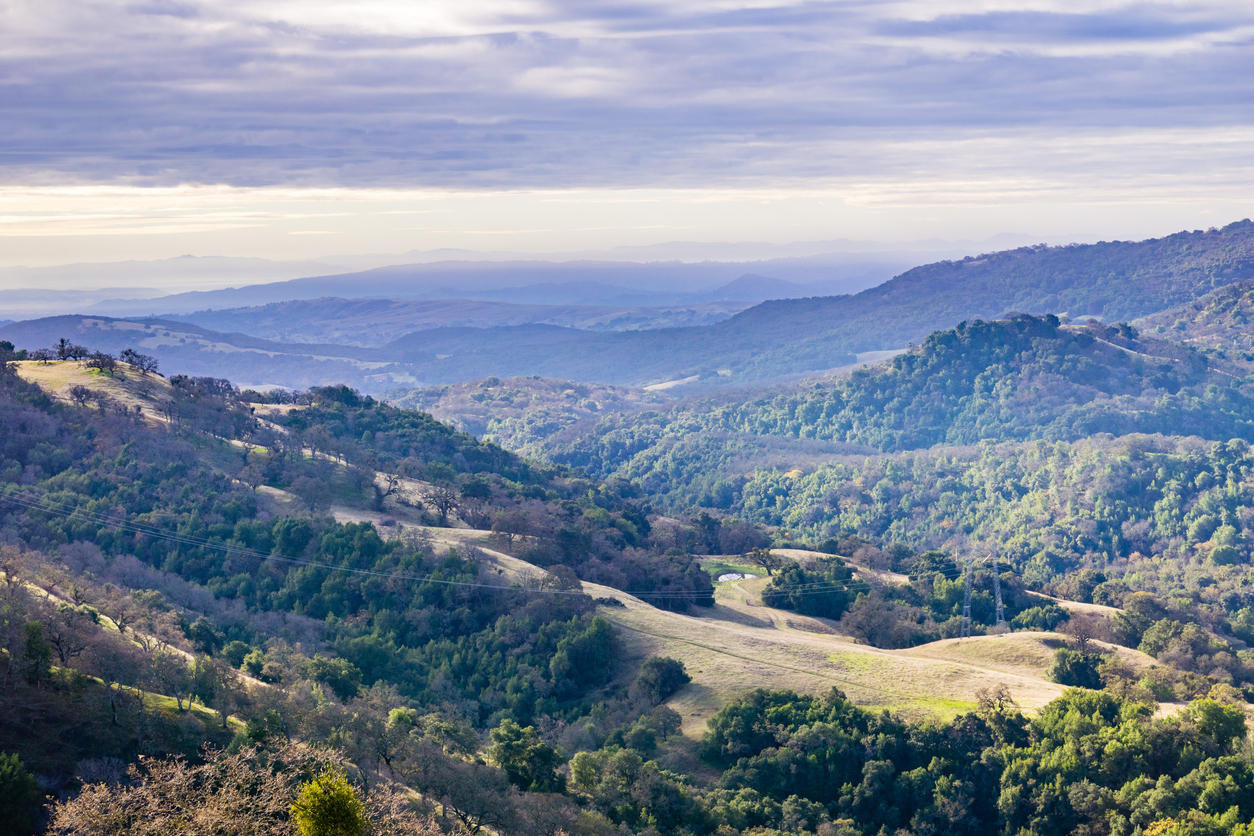
Across Southern California, including Los Angeles, San Diego, Anaheim, and the desert towns around El Centro, drywood swarms typically run from late spring through October. July, August, and September are the strongest months. Subterranean swarms follow the first real fall rains, usually in October or November.
Up north, in places like San Jose and Sacramento, the wetter climate moves subterranean swarms earlier in the year. Most happen in late winter through early spring, especially during the first warm, sunny stretches after winter rain. Drywood swarms still happen, but they get compressed into a shorter late-summer window.
Quick rule of thumb: swarmers in March in Sacramento usually mean subterranean. Swarmers in August in San Diego usually mean drywood. Either case is worth a call to a pro.
Signs of a Subterranean Termite Infestation
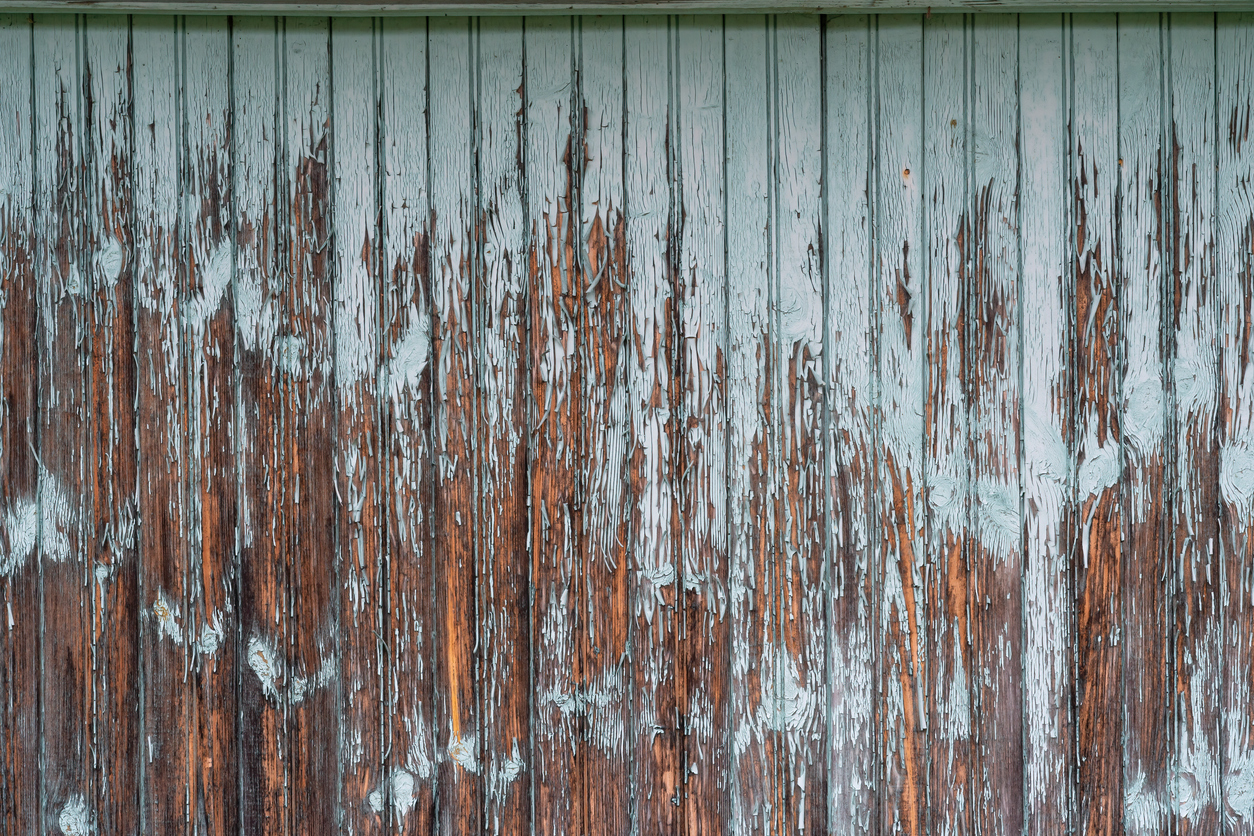
Swarmers aside, four signs commonly point to subterranean activity. The first is mud tubes along foundations, in crawlspaces, or on piers. The second is wood that sounds hollow when tapped, especially near the floor. The third is buckling paint or warped wood that looks a lot like water damage. The fourth is piles of discarded wings near windows or exterior lights after a swarm.
Any one of these is reason enough to schedule an inspection. All four at once usually means the colony has been around for a while.
WDO Inspection Requirements in California
California has the strictest termite regulations in the country. Under rules from the Structural Pest Control Board, only licensed companies can perform a formal Wood Destroying Organisms (WDO) inspection. The report follows a standardized format. The inspector documents any visible, accessible evidence of wood-destroying pests, fungus, and conditions that could lead to future infestation. The report and any resulting clearance stay valid for four months from the date of inspection.
FHA and VA financing almost always require a WDO inspection at sale. Most conventional lenders will ask for one if the appraiser flags anything pest-related. Even outside a sale, the Structural Pest Control Board recommends a professional inspection every two to three years.
How Dewey Pest and Termite Control Can Help
Termite pressure in California doesn’t take a season off. Every treatment we use is harmless to humans and pets when our licensed technicians handle it, and we match the method to the species and the situation, whether that’s whole-house fumigation, a heat treatment, or a localized spot treatment.
Browse our termite control services, find your nearest Dewey branch, or contact our team to schedule a free consultation. We have been doing this in California for nearly 100 years, and we know what to look for.
Frequently Asked Questions
When do termites swarm in California?
Southern California drywood termites mostly swarm from July through September, while subterranean termites swarm after the season’s first heavy fall rains. Northern California subterranean swarms happen earlier, in late winter through early spring.
What should I do if I find termite swarmers in my home?
Note where you found the swarmers or wings, then call a licensed pest control company for an inspection right away. Avoid disturbing the area or using an over-the-counter spray, which can scatter a colony without eliminating it.
Does homeowners insurance cover termite damage in California?
Usually not. Most policies treat termite damage as a maintenance issue, so homeowners cover treatment and repairs themselves. Routine inspections help catch infestations early, before repair costs climb into the thousands.
How often should I get a termite inspection in California?
The Structural Pest Control Board recommends an inspection every two to three years, even without visible signs of activity. Home sales require a WDO inspection, valid for four months, regardless of your last routine check.