

Every fall, homeowners across California start noticing the same thing: scratching sounds in the walls, droppings near the back of a cabinet, a gnawed corner on a bag of pet food. It is not a coincidence that these signs tend to cluster around the same time of year. As outdoor temperatures drop and food sources become harder to find, rodents actively begin searching for warmer, more reliable shelter. Understanding what drives that behavior is the first step toward keeping them out before they settle in.
What Triggers the Fall Migration
Rodents are not reacting to a single cue when they move indoors. Several environmental shifts happen at once in late summer and early fall, and together they create strong pressure to find shelter.
Cooling nights are the most direct trigger. Rats and mice are warm-blooded and expend considerable energy maintaining body temperature. When nighttime lows begin dropping, the energy cost of staying outside rises. A gap under a door, a crack in a foundation, or an unscreened vent opening becomes a practical solution to a real biological problem.
At the same time, the outdoor food supply shifts. Fruit drops from trees, garden plants die back, and the insects that rodents also feed on become scarce. Your kitchen, pantry, and garage offer a concentrated, reliable food source that the yard simply cannot match once fall sets in. That combination of warmth and food is what pulls rodents toward structures rather than away from them.
There is also a population factor. Rodents breed prolifically through spring and summer. By the time fall arrives, populations are at their peak for the year, which means more individuals are competing for limited outdoor resources. That pressure pushes younger, less established animals to take risks and explore new territory, including the interior of your home.
The Species You Are Most Likely to Encounter
In California, the two rodents that account for most fall home invasions are the roof rat and the house mouse. Norway rats are also present, particularly in urban areas and near water sources, though they tend to stay lower to the ground than roof rats.
Roof rats are agile climbers. They enter homes through rooflines, attic vents, gaps around utility lines, and tree branches that overhang the structure. Once inside, they tend to nest in attics, wall voids, and upper cabinets. Their activity is often heard at night as movement overhead. For a closer look at how this plays out in urban California, learn why rat sightings in Los Angeles spike sharply in fall for exactly these reasons.
House mice are smaller and can squeeze through openings roughly the diameter of a pencil. They enter at ground level through gaps in door sweeps, weep holes in brick, and utility penetrations. They nest in insulation, behind appliances, and inside stored boxes. Because they reproduce quickly, a small number of mice entering in September can become a significant infestation by November.
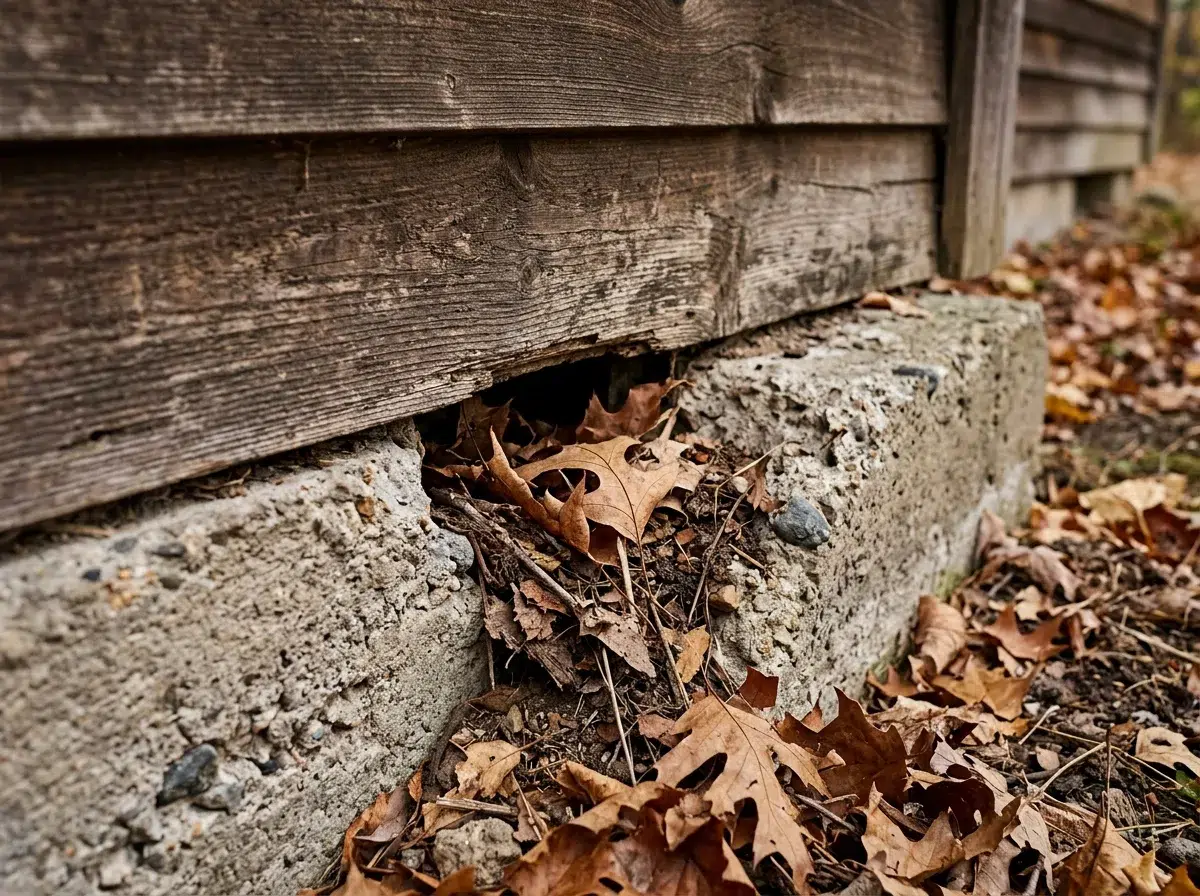
Where Rodents Get In: The Entry Points to Inspect First
A thorough walk-around of your property in late summer gives you the best chance of sealing entry points before rodents find them. Focus on these areas:
- Gaps where pipes, conduit, or cables enter the structure, particularly around the dryer vent, water heater connections, and HVAC lines
- The roofline, including damaged or missing soffit panels, deteriorated fascia boards, and gaps where the roof meets the wall
- Door sweeps and garage door seals, which compress and gap over time
- Foundation cracks and weep holes in stucco or brick exteriors
- Attic vents that use deteriorated or missing screens
- Tree branches and shrubs that contact the roofline, giving roof rats a direct bridge onto the structure
The right exclusion material depends on the size, location, and condition of each opening. Using durable materials suited to the specific entry point can help limit the gaps rodents may use to get inside. Our guide to keeping rats out as winter approaches covers additional exclusion steps homeowners can consider before rodent activity increases.
Why Early Action Matters More Than Reactive Treatment
Rodent control is significantly more effective when it begins before an infestation is established. Once rats or mice are nesting inside a structure, they leave scent trails that attract other rodents. Those trails persist even after the original animals are removed, which is one reason recurring infestations are so common in homes that have had prior activity.
The health dimension is real. Rats are linked to the spread of hantavirus through their droppings and urine, and rodent activity in food storage areas creates contamination risks that go well beyond the obvious chewed packaging. Explore the health risks spread by rats if you have had any signs of activity in your home.
Property managers and homeowners who treat fall as the prevention window, rather than waiting for visible evidence of infestation, consistently deal with fewer problems through winter. That means inspecting and sealing entry points in August and September, reducing outdoor attractants like fallen fruit and open compost bins, and addressing any conditions that make the structure easy to enter.
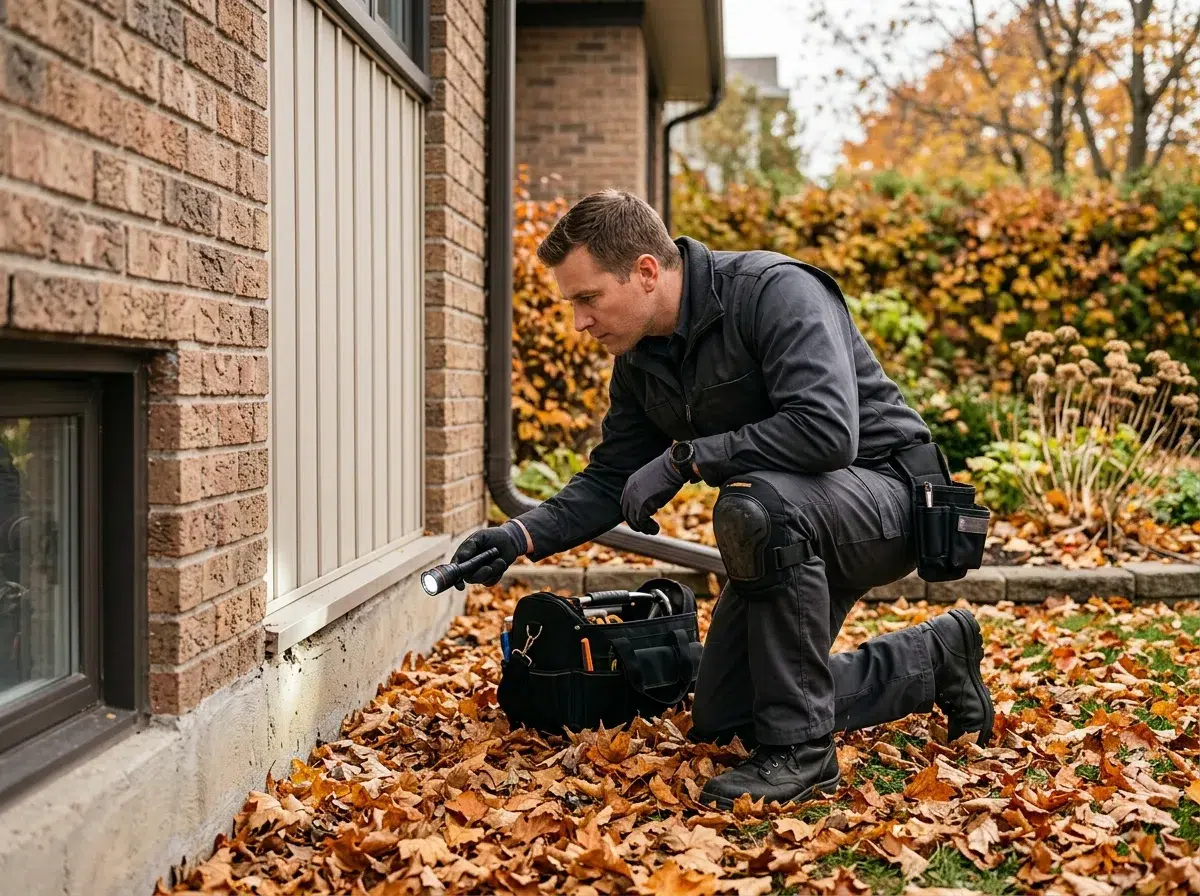
What Professional Rodent Control Addresses That DIY Misses
Store-bought snap traps and bait stations can reduce a small population, but they do not address the conditions that allowed rodents in. A professional inspection identifies active entry points, nesting locations, and the extent of activity inside the structure. Treatment plans from Dewey Pest and Termite Control combine targeted removal with exclusion recommendations, so the goal is not just eliminating the current population but reducing the likelihood of re-entry.
Dewey Pest and Termite Control selects products and application methods based on the pest, property conditions, and areas being treated, with careful consideration for people and pets in the home. This is particularly important in homes with children or animals, where bait placement and product selection should be approached carefully.
Getting Ahead of Fall Rodent Activity
The window between late summer and early fall is the most practical time to act. Entry points are easier to identify before rodents are actively using them, and exclusion work done now prevents the kind of established infestation that takes considerably more effort to resolve in December or January. If you have seen signs of activity or want a professional assessment before the season shifts, find a Dewey Pest and Termite Control specialist near you to schedule an inspection.