
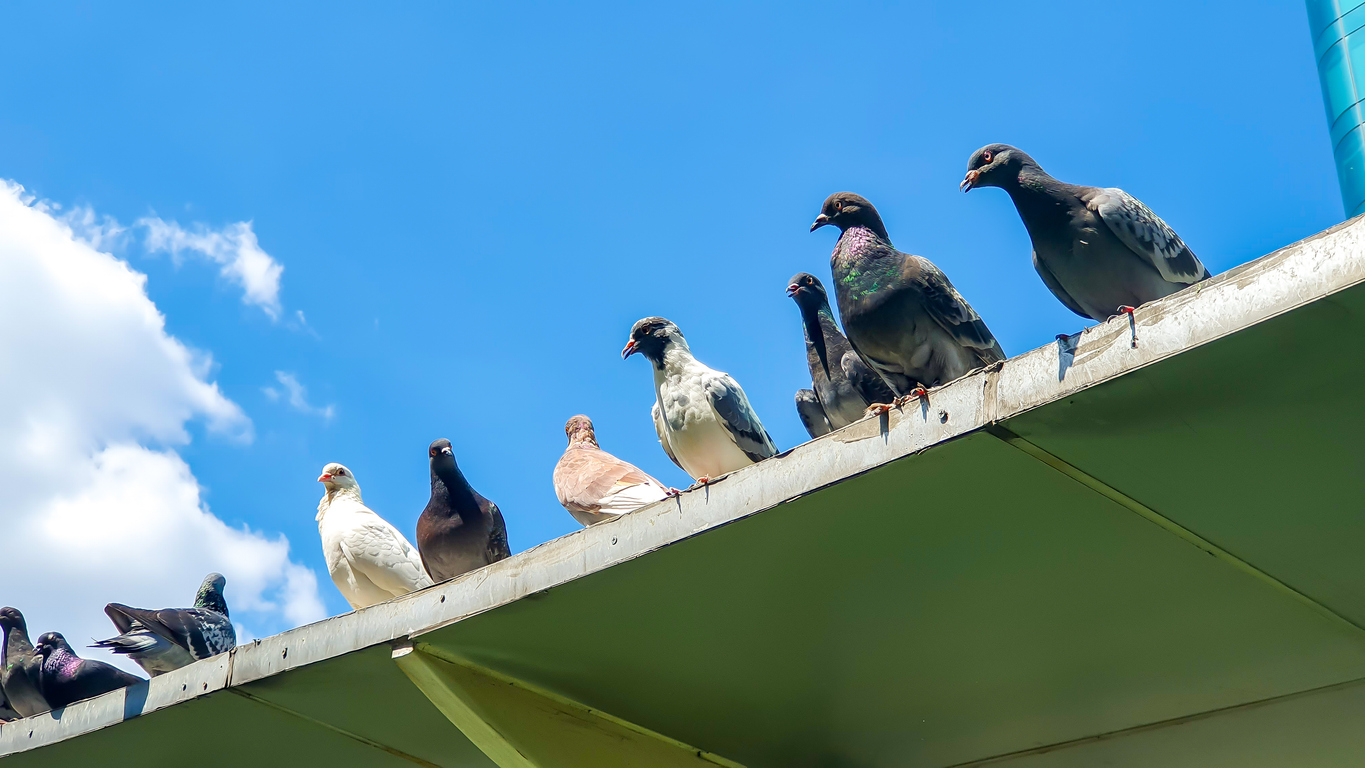
Birds may seem like a minor nuisance when they gather near rooflines, loading docks, or outdoor dining areas. When they return regularly, cleanup, repairs, interruptions to daily operations, and a poor first impression can all add to the cost of running a business.
The impact of birds on commercial property often extends beyond appearance. Bird droppings, nesting materials, and blocked gutters can affect building surfaces and equipment while creating more work for commercial property maintenance teams.
Bird Droppings Increase Cleanup Costs
A few spots on a sidewalk or awning may not seem urgent, but recurring buildup can make entrances, signs, HVAC equipment, and rooftop areas harder to maintain. Employees or contractors may spend more time cleaning these surfaces, raising labor costs and taking attention away from other property needs.
Routine inspections and exclusion measures can help prevent bird droppings from accumulating around frequently used areas, reducing cleanup demands and limiting contact with dried material. Large accumulations can also create respiratory exposure concerns when dried material is disturbed during cleanup, making proper cleaning procedures especially important.
Bird Damage Can Reach Building Systems
Stains on sidewalks and walls may be the most visible sign, but nesting materials can also collect in gutters, drains, vents, and rooftop equipment. Blockages in these areas may disrupt drainage or airflow and lead to repair work that maintenance teams did not plan for.
Ongoing nesting and roosting can wear down painted surfaces, metal fixtures, signs, and other exterior materials, leading to more frequent cleaning, repainting, or repairs. Each task may seem manageable on its own, but recurring service calls can gradually place more pressure on a maintenance budget.
Customer Experience Can Suffer
Customers often judge a business before they enter. Droppings, feathers, persistent noise, and birds gathering near doors can make a property appear poorly maintained and create a negative first impression.
Outdoor dining areas, storefronts, office entrances, and loading zones can also become harder to use when birds return regularly. Staff may need to redirect customers, adjust seating, or respond to complaints, taking attention away from daily operations.
Early Action Can Reduce Long-Term Costs
Waiting until birds establish nesting and roosting areas can lead to more cleanup, repairs, and disruptions. A professional inspection from Dewey Pest and Termite Control can identify ledges, roof openings, food sources, and sheltered areas that encourage them to return.
Once those conditions are identified, our bird exclusion services can help limit access to common nesting and roosting areas, reducing the need to clean the same spaces repeatedly. Addressing the source early can also help businesses manage maintenance costs before bird activity affects more areas of the property.
Schedule Bird Control With Dewey Pest and Termite Control
Recurring bird activity may require more than cleaning visible droppings and nesting materials. Based on the conditions observed during an inspection, Dewey Pest and Termite Control can identify areas birds are using and recommend a practical approach based on the species present, nest status, building conditions, and applicable wildlife protections.
Contact us online to schedule an inspection and discuss bird control for your commercial property.