

For California homeowners, termite protection isn’t really a yes-or-no decision. It’s a question of timing, method, and budget. U.S. homeowners collectively spend about $5 billion a year on termite control and damage repair, and California carries more than its share of that bill. Here’s a look at what protection actually costs in 2026, how the major treatment options compare, and what the state requires when a home changes hands.
What Termite Treatment Actually Costs in 2026
Termite treatment costs in California depend on the species, the size of the home, and the method. A rough baseline:
Localized orange oil treatments for drywood termites usually run $400 to $1,500 per treated area. Full-structure fumigation (tenting) generally lands between $1,500 and $4,000+ for an average single-family home. Subterranean termite treatments, including soil treatments, baiting systems, and foam injections, most often fall in the $1,200 to $3,500 range. Severe infestations or jobs that combine multiple methods can cost more.
A standalone WDO inspection in California typically runs $0 to $300. Many companies, including Dewey Pest and Termite Control, offer free initial consultations.
Annual Protection Plans vs. One-Time Treatments
A one-time treatment handles the colony that’s already there. An annual protection plan is how you keep new colonies from setting up later. These plans bundle a yearly inspection with ongoing monitoring. If termites come back, the company retreats at no extra charge. Over the long run, the math tends to favor a plan, because missing a single colony almost always costs more than years of inspection fees combined. In high-pressure regions like Los Angeles, San Diego, and San Jose, ongoing coverage is usually worth it.
Fumigation vs. Orange Oil: Which Is Right?
We get this question more than any other. The real answer comes down to how widespread the infestation is.
Whole-structure fumigation is the most thorough option for widespread drywood infestations. The gas reaches every cavity, joist, and rafter, with no spot left untreated. The tradeoff is that you have to vacate the home for two to three days and prep the property in advance.
For localized infestations, technicians inject a treatment straight into the infested wood. There’s no tenting, no need to leave the house. Synthetic localized treatments are generally the first choice among pros because they tend to knock out infestations more consistently. Orange oil (d-limonene), whose active ingredient comes from orange peels, is a popular plant-derived alternative for homeowners who prefer it. Either way, the tradeoff is the same: the treatment only kills the termites it directly touches, so hidden colonies in inaccessible areas can survive. UC IPM notes that localized treatments work best when infestations are limited and clearly identifiable. Every option here is harmless to humans and pets when a licensed technician handles it and the structure is cleared for re-entry.
WDO Inspections and Escrow Termite Clearance
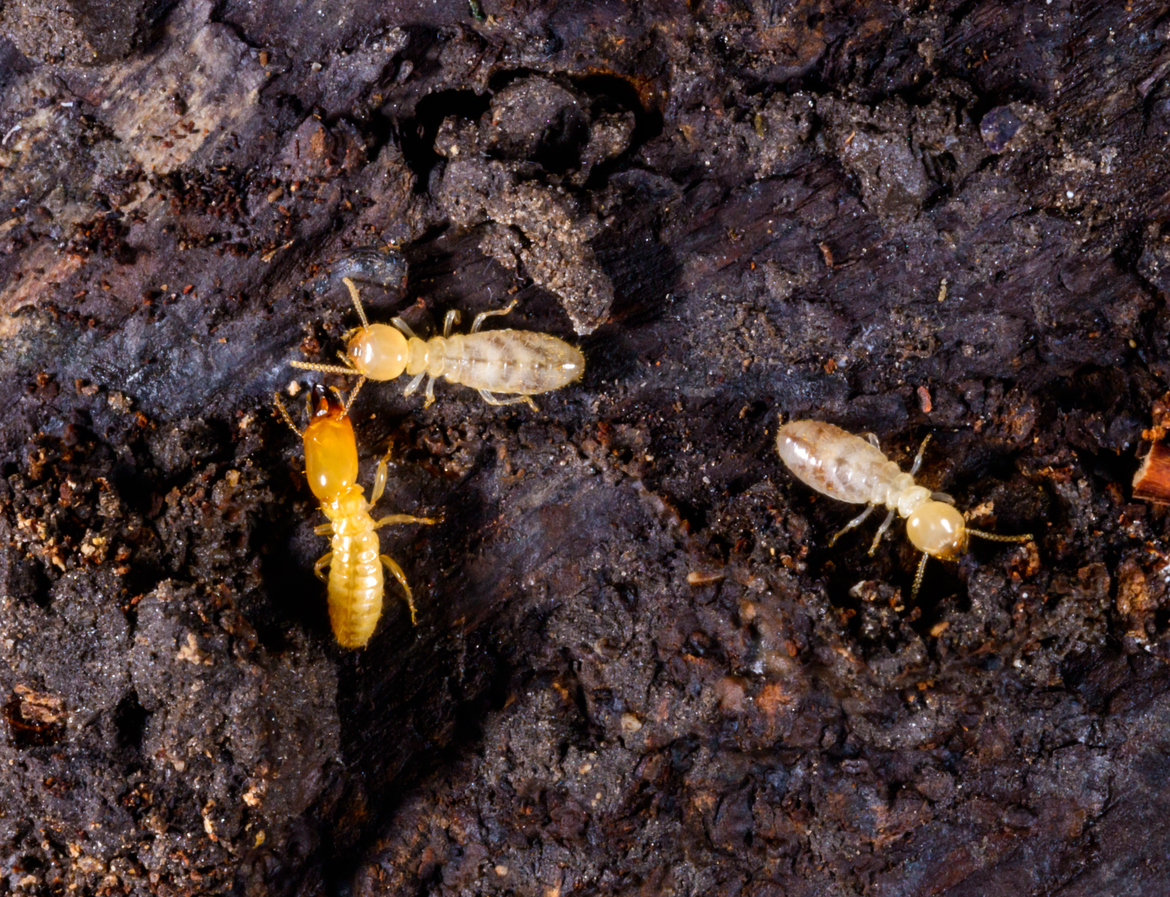
Buying or selling a California home almost always involves a Wood Destroying Organisms (WDO) inspection. Under rules from the California Structural Pest Control Board, licensed inspectors document any visible evidence of termites, fungus, or dry rot, along with any conditions that could lead to future infestation. Findings get classified as Section 1 (active or immediate problems) or Section 2 (conditions that could turn into problems later).
Section 1 clearance is what most lenders want before closing, particularly on FHA and VA loans. Section 1 items have to be treated and the affected wood repaired. Once that’s done, the pest control company files a Notice of Work Completed with the state. That filing is your official termite clearance. The report and clearance stay valid for four months, so timing matters in any escrow.
How To Evaluate a Termite Inspection Company
Before signing anything, check that the company is licensed through the Structural Pest Control Board’s online lookup. Confirm the inspection report will follow the state’s standardized WDO format. And ask for a written estimate that separates Section 1 work from Section 2 recommendations.
Get the Right Protection for Your California Home
If you’re prepping for escrow, dealing with active swarmers, or just looking for a baseline inspection, we can help. Our team has been protecting California homes for nearly 100 years. Look through our termite control services, find your nearest Dewey branch, or request a free consultation to figure out the right plan for your property.