

Most people imagine standing water in garden plants when they think about mosquito breeding grounds in backyards. Bird baths, clogged gutters, and old containers left out after a rainstorm are all real targets. But your landscaping itself can be just as much of a problem, and it’s something most homeowners never think to check.
According to the CDC, mosquitoes need only a tiny amount of water – as little as a bottle cap – to lay eggs and complete a full lifecycle. Across California’s Central Valley, Inland Empire, and coastal cities alike, the same drought-tolerant plants that look great in a Fresno front yard can quietly create the shaded, damp conditions mosquitoes depend on. Here are five of the most common offenders and what you can do about them.
1: Dense Shrubs and Hedges
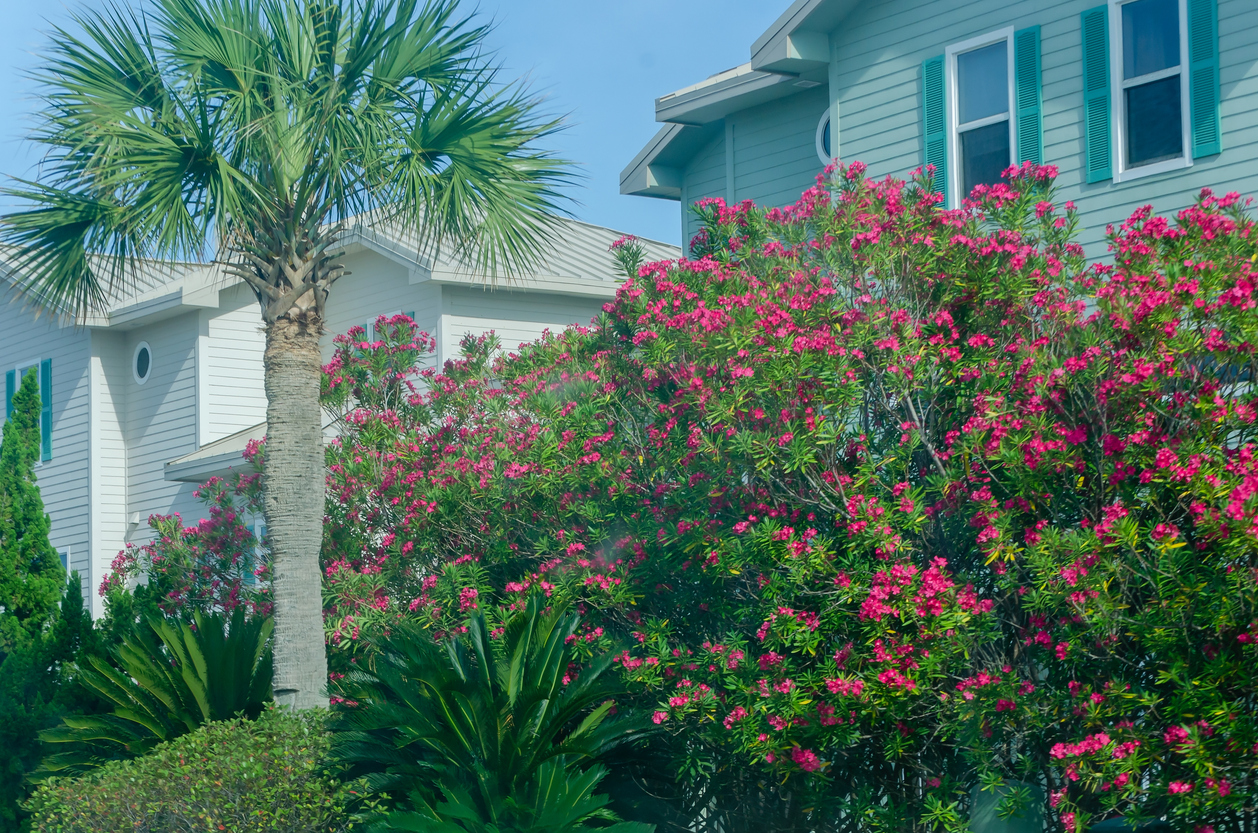
Large, layered shrubs like oleander, photinia, or overgrown boxwood create a canopy effect that traps moisture and blocks airflow at ground level. Mosquitoes are not strong fliers, and they do not like heat or direct sunlight. The CDC notes that adult mosquitoes commonly rest in dense vegetation during the daytime, where it’s cool and shaded. Dense hedges give them exactly that kind of microclimate, especially along the north and east sides of a home where shade lingers.
So while shrubs do attract mosquitoes, the fix isn’t always to remove the landscaping altogether. Thinning the interior of a shrub, trimming lower branches, and creating airflow can reduce the microclimate that mosquitoes are looking for.
2: Bromeliads and Funnel-Shaped Plants
Bromeliads are popular ornamentals across California, and they are built to hold water. The cup-shaped center where the leaves meet is designed to collect rainfall, which sounds harmless until you realize that standing water sitting in a plant for just a few days is all a mosquito needs to complete a breeding cycle. In warm weather, the CDC reports that Aedes mosquitoes can develop from egg to adult in as little as 8 to 10 days.
Regularly flush the cups with fresh water or use a mosquito dunk if you want to keep the plants without eliminating them entirely. The extra work is worth it to keep those beautiful ornamentals on your property.
3: Large Succulents and Agave
While succulents are often recommended as low-maintenance options for drought-tolerant landscaping, mosquito problems can still pop up. Older agave plants and large barrel cacti develop natural depressions at their base and between their pads where water can pool. After even a light rain or irrigation cycle, these spots can hold moisture long enough to become a mosquito breeding site.
Regularly check the plant’s base for mosquitoes in California succulents, especially in neighborhoods with mature, established landscaping like Fresno’s Tower District and the central Clovis corridor, or older communities from San Diego up through the Central Coast. Doing so could save you from days of scratching bite marks on your arms.
4: Overgrown Ground Cover
Ivy, vinca, and landscaping plants that hide mosquitoes are popular for slopes and bare areas across Fresno’s newer developments, established neighborhoods, and yards throughout California alike. The problem is what happens underneath. Dense, low-growing ground cover stays perpetually damp, especially when it sits over clay-heavy San Joaquin Valley soil or similar slow-draining soils that hold moisture. That moisture, combined with the shade the cover provides, creates ideal conditions at ground level.
According to the CDC, some mosquito species lay their eggs directly in moist soil, where they can survive drying out and hatch once water returns, making persistently damp ground cover far more of a risk than most homeowners realize. If you have a significant ground cover area, consider reducing its footprint near the house or treating the border zones where moisture tends to concentrate.
5: Palm Trees
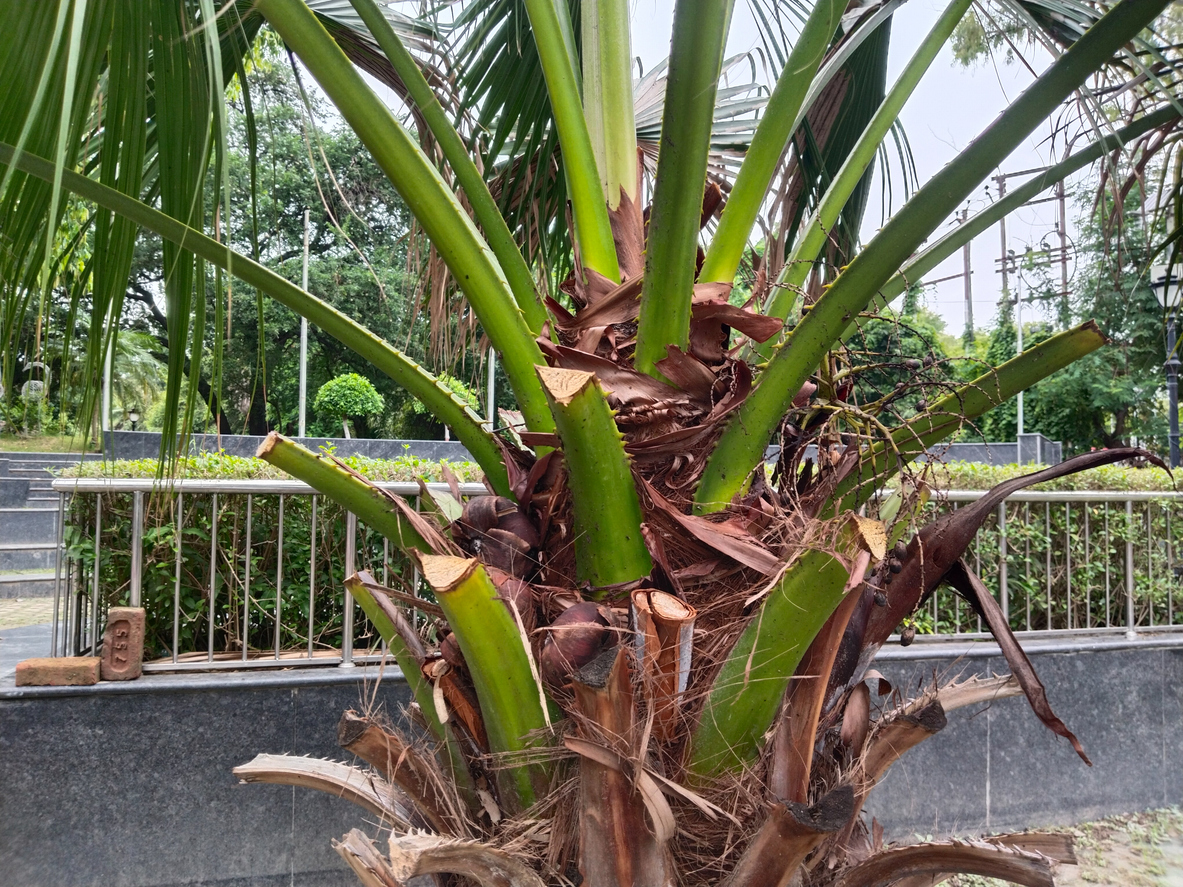
Mosquitoes in California palm trees can become a serious problem if you’re not careful. Dead fronds that have not been cleared collect rainwater in the pockets where they attach to the trunk. A single palm with a few seasons of built-up frond debris can harbor multiple small breeding pools that are hard to see from the ground. The Coachella Valley Mosquito and Vector Control District regularly identifies untrimmed palms and date palm groves as overlooked mosquito habitat.
In addition to providing an aesthetic boost, palm trimming is a key part of home pest and landscaping maintenance. It removes potential breeding habitat before the season gets going.
The Bigger Picture for Fresno, Clovis, and California Homeowners
Understanding how shrubs attract mosquitoes or whether your succulents are contributing to the problem is a good start. But in 2026, homeowners in Fresno, Clovis, and across California are dealing with more than just the familiar evening mosquito. The Mosquito and Vector Control Association of California reports that invasive Aedes mosquitoes are now established in more than two dozen California counties. These species are active during the day and are aggressive biters. The old advice about avoiding outdoor time at dusk no longer covers it.
The best mosquito repellent plants for the California climate, like citronella, lavender, and rosemary, can help at the margins. But if the conditions in your yard are already favorable for mosquitoes, plants alone will not change the equation.
Expert Pest Control in the Central Valley and Throughout California
Dewey Pest and Termite Control offers mosquito control in Fresno, Sacramento, Bakersfield, Palm Springs, Modesto, and beyond with recurring barrier treatments designed to reduce mosquito populations. All products are applied according to EPA-approved label directions by trained, licensed technicians, and they address the problem where it starts – in your yard, before it ever reaches your door.
We are proud to serve communities throughout the Central Valley and the rest of California. Contact our team or give us a call to schedule your free inspection today!